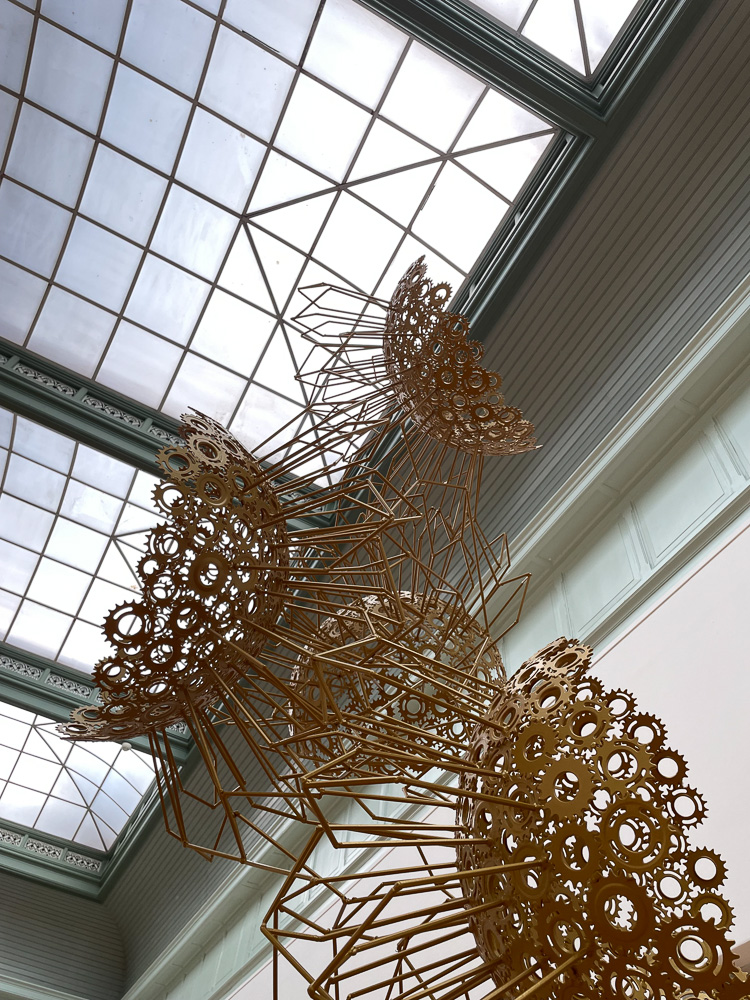
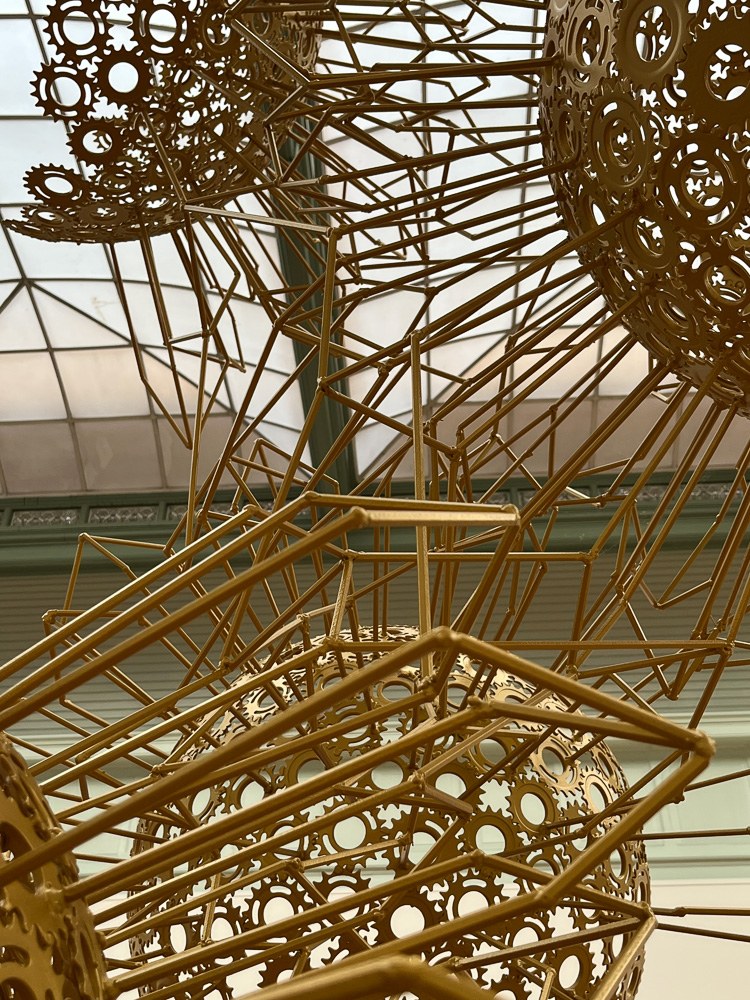
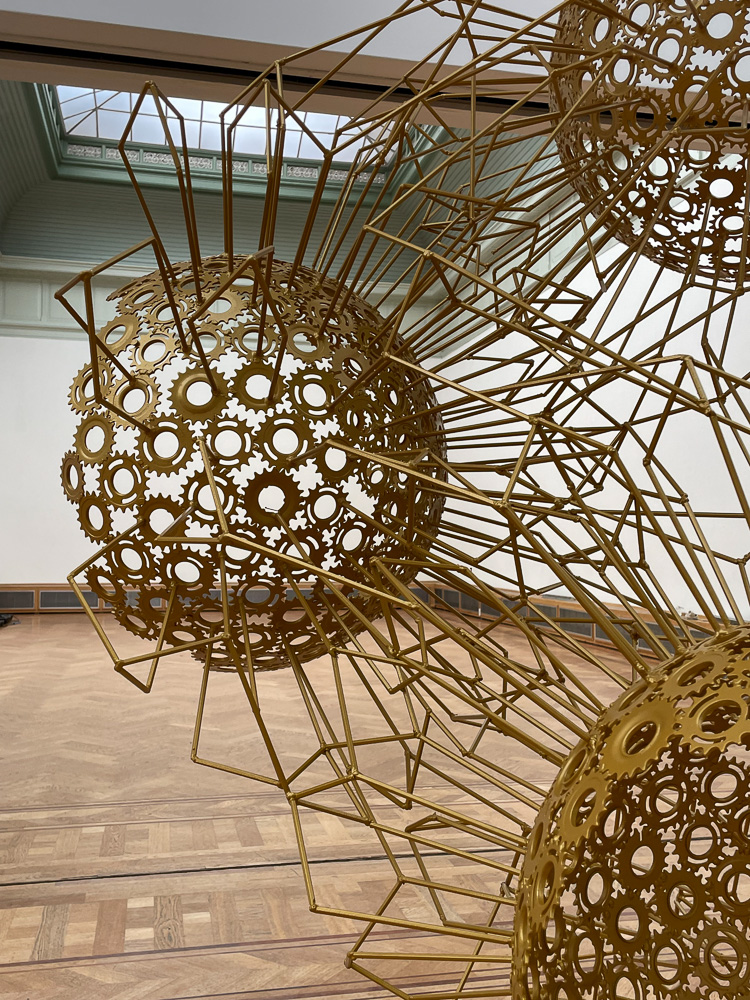
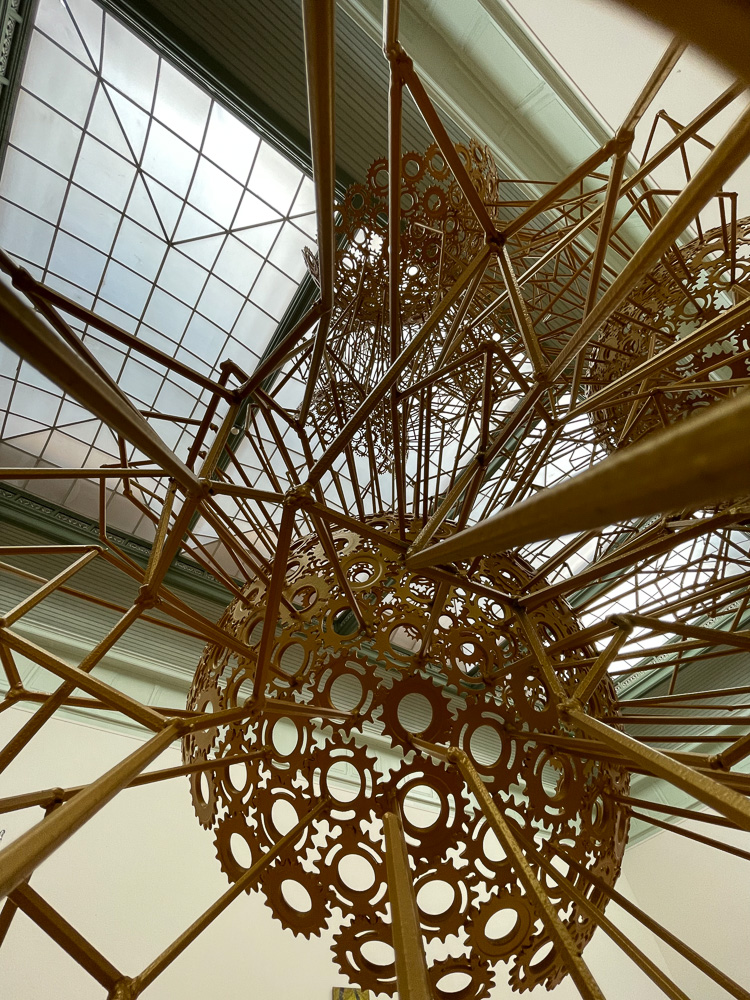
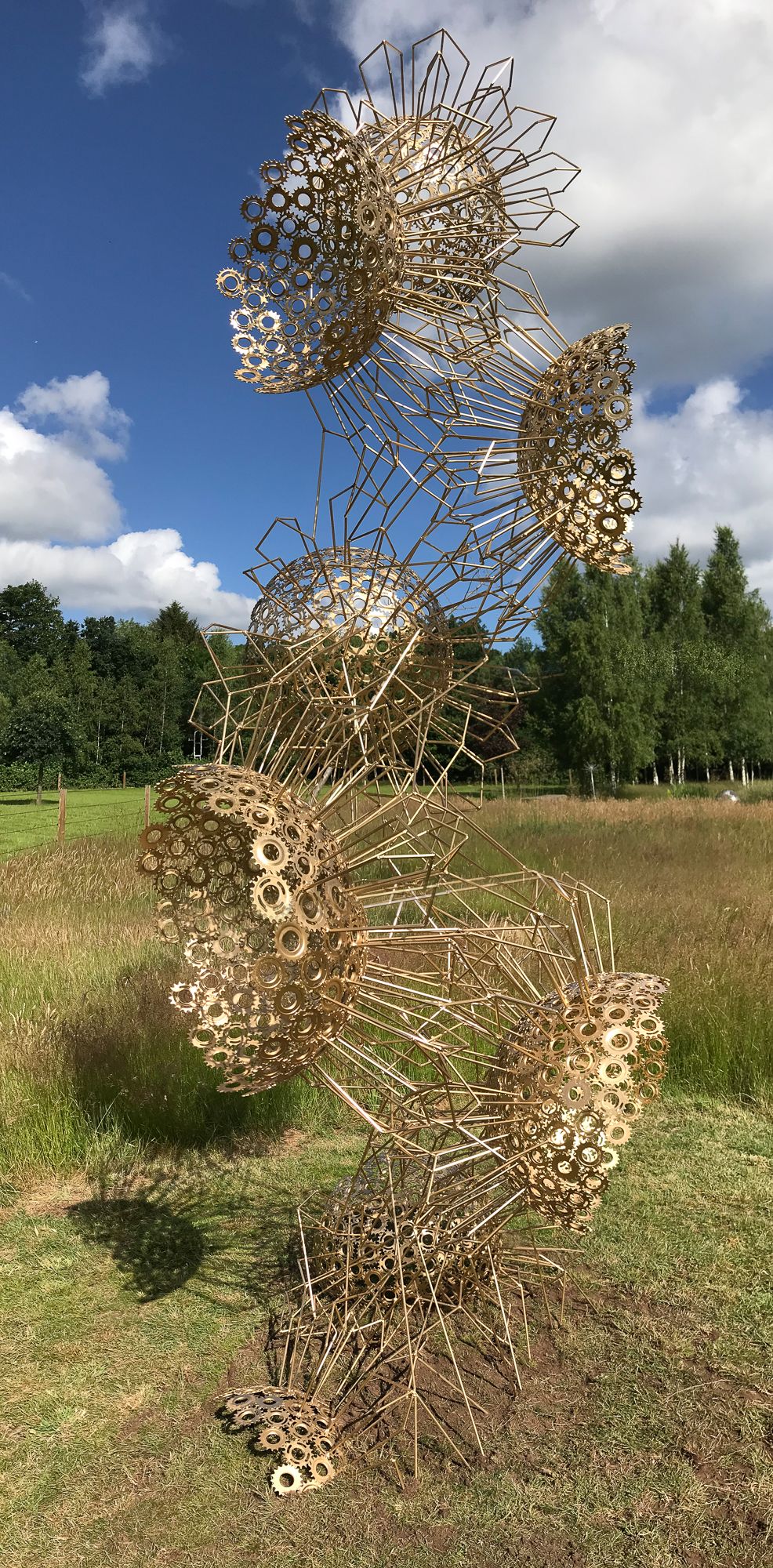
Society functions because everyone fulfills a role: one person collects waste, another lays bricks, yet another makes policy. In the eyes of Marisja Smit, the distinction between individual and collective begins to blur. “An ant colony, or even a forest, can be seen as a single organism.”
Phytoplankton is a unicellular organism that forms vast colonies in the ocean. Together, they are responsible for nearly half of the Earth’s primary production: biomass and food, oxygen production, and the storage of CO₂.
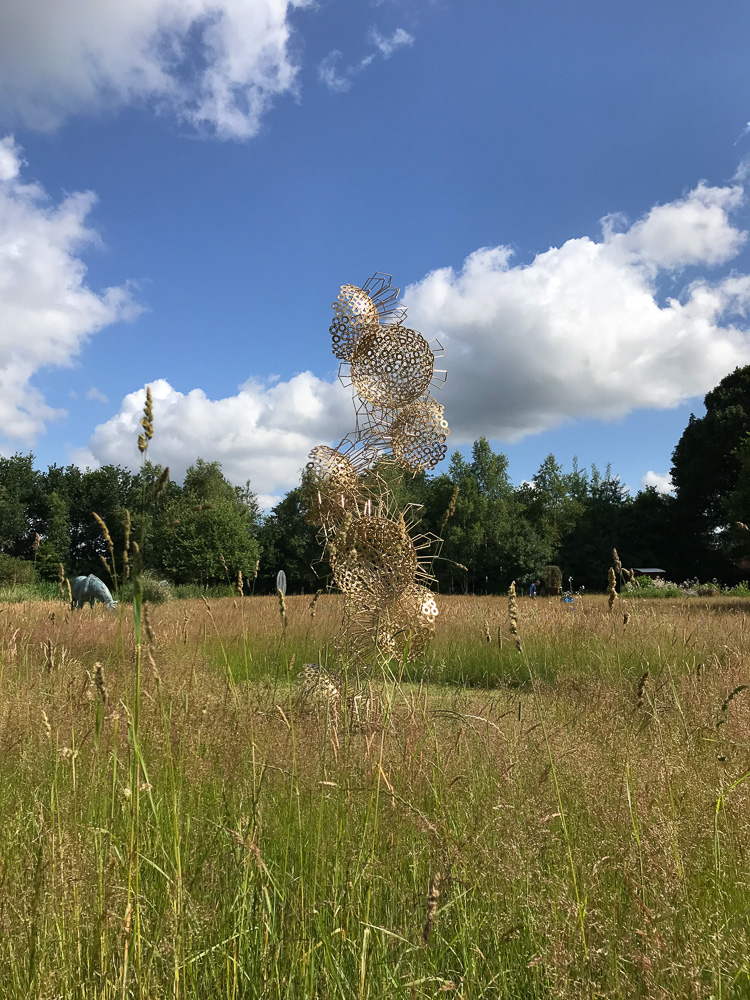
When plankton die, their exoskeletons remain behind. These delicate calcium structures can be found all over the world. Their strength lies in balance: the ability to respond to environmental changes through complex interactions that determine the size, structure, and diversity of their colonies.
Here lies a lesson for us. With our ‘intelligent’ communication, can we help preserve the planet’s equilibrium? Our survival depends on it.